Quick answer
Vertigo is a false sense that you or the room is spinning, and it usually comes from the balance system in your inner ear. The most common cause, BPPV, is triggered by head movements and can often be fixed with a simple repositioning manoeuvre. Other causes include inner-ear inflammation (labyrinthitis) and Meniere’s disease. Seek urgent care if vertigo comes with slurred speech, weakness, a severe headache or new hearing loss.
Vertigo isn’t the same as feeling faint
People use ‘dizzy’ to mean lots of things, so it helps to be precise. Vertigo is a spinning or tilting sensation – the world seems to move even when you’re still. That’s different from feeling light-headed or like you might pass out, which is more often about blood pressure or hydration.
True spinning vertigo usually points to the inner ear, which houses your balance organs alongside your hearing.
The common inner-ear causes
Most vertigo comes down to a handful of conditions:
- Meniere’s disease: episodes of vertigo with a feeling of fullness, fluctuating hearing and tinnitus in one ear.
- BPPV: short, intense spinning set off by head movements such as rolling over in bed or looking up. It’s caused by tiny crystals drifting out of place in the inner ear.
- Labyrinthitis or vestibular neuritis: inflammation of the balance nerve, often after a viral illness, causing days of dizziness and unsteadiness.
What helps

The right treatment depends on the cause, which is why getting an accurate diagnosis matters. BPPV often responds remarkably well to a repositioning technique (such as the Epley manoeuvre) that guides those loose crystals back where they belong – many people improve after just one or two sessions.
For vertigo after a viral illness, the dizziness usually fades over days to weeks, and gentle balance exercises help your brain recalibrate. Meniere’s is managed with dietary changes and medication. In all cases, moving carefully and staying hydrated makes the rough days easier.
Warning signs that need urgent care
Most vertigo is down to the inner ear, but call emergency services or attend an emergency department if dizziness comes with any of these, as they can signal a stroke:
- Slurred speech or trouble finding words
- Weakness or numbness in the face, arm or leg
- A sudden, severe headache unlike any before
- Double vision, or sudden new hearing loss
Common questions
How long does vertigo last?
It depends on the cause. BPPV spins last seconds to a minute at a time; dizziness after a virus can linger for days to weeks before settling.
Can ear problems cause balance issues?
Yes – the inner ear controls balance as well as hearing, so ear conditions are among the most common causes of vertigo.
What is the Epley manoeuvre?
A simple, drug-free sequence of head and body positions that moves displaced crystals out of the sensitive part of the inner ear. It’s the main treatment for BPPV.
Should I see a doctor for vertigo?
Yes, especially if it’s recurrent, severe, or comes with hearing changes. And seek emergency care immediately if you have any stroke warning signs.
Book with ClearEar
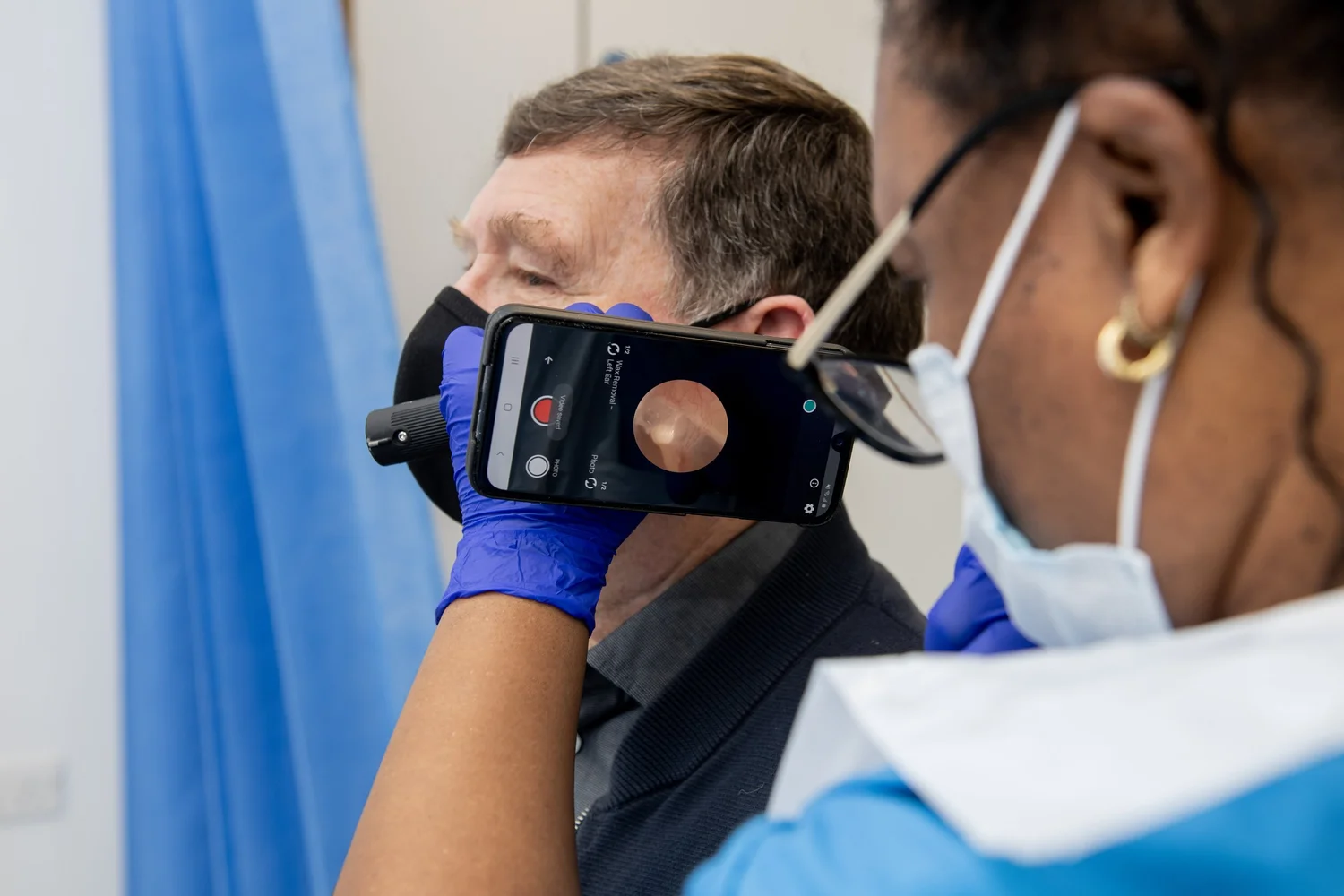
Not sure what’s going on with your ears? A ClearEar clinician can take a proper look, clear any wax with microsuction, and use a small camera (endoscopy) to check your ear or nasal passages.
Microsuction wax removal – Nasal endoscopy – Hearing assessments
Book online at clearear.ie or call 01 919 8706. Clinics at Dublin 1 and Lucan.
This article is general information, not medical advice. If you are worried about your symptoms, please see your GP or an ENT professional.