
Quick answer
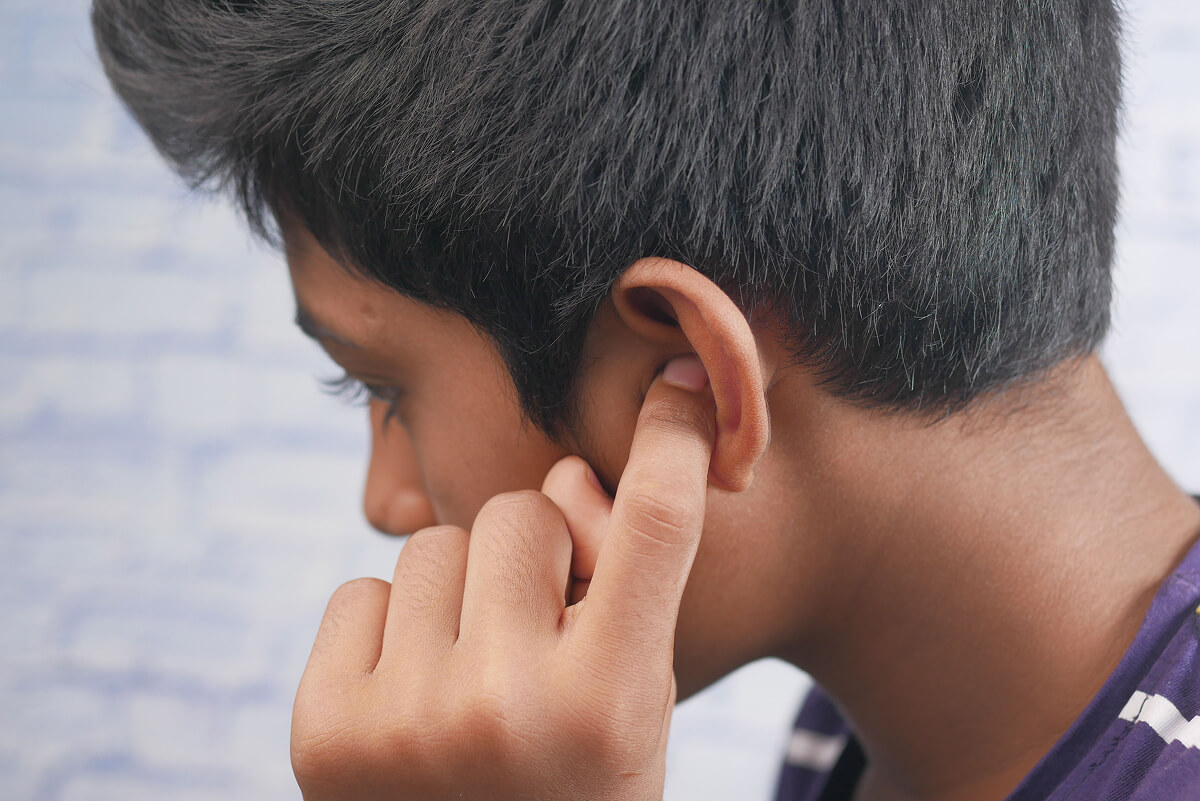
Ear pain in adults isn’t always an ear infection. Common causes include the ear canal (swimmer’s ear, wax or a spot), the middle ear (after a cold), and pain referred from the jaw, teeth or throat. Most mild earache settles within a few days. See a GP/ENT if the pain is severe, lasts more than a couple of days, or comes with fever, discharge, swelling behind the ear or reduced hearing.
Earache in adults is often not an infection
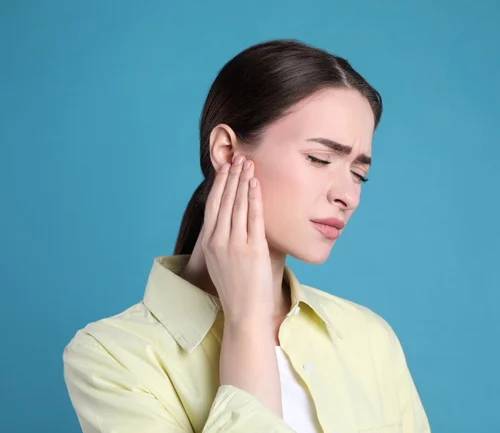
Ear infections are common in children, but in adults a sore ear has a wider range of causes – and plenty of them have nothing to do with infection at all. Working out where the pain is really coming from is the key to settling it.
Broadly, ear pain falls into three groups: problems in the ear canal, problems in the middle ear, and pain that starts elsewhere but is felt in the ear.
Causes from the ear itself
When the pain is genuinely from the ear, the usual culprits are:
- A boil or spot in the canal, or irritation from cotton buds or earphones
- Swimmer’s ear (an outer-canal infection), often itchy then painful, worse when you tug the ear
- A build-up of hard wax pressing on the canal
- A middle-ear infection or trapped fluid, often after a cold, with fullness and muffled hearing
When the pain comes from somewhere else
Because the ear shares nerves with the jaw, teeth and throat, pain in those areas is often felt in the ear – this is called referred pain. A jaw joint problem (often from grinding or clenching), a dental issue, or a sore throat and tonsillitis can all show up as earache while the ear itself looks perfectly healthy.
It’s a useful clue: if your ear looks and feels normal inside but aches when you chew or swallow, the source may be nearby rather than the ear itself.
Simple self-care
For mild, short-lived earache you can usually start at home:
- Take paracetamol or ibuprofen if suitable for you
- Hold a warm flannel against the ear for comfort
- Avoid poking anything into the ear, including cotton buds
- Keep the ear dry if you suspect an outer-ear cause
When to see a doctor
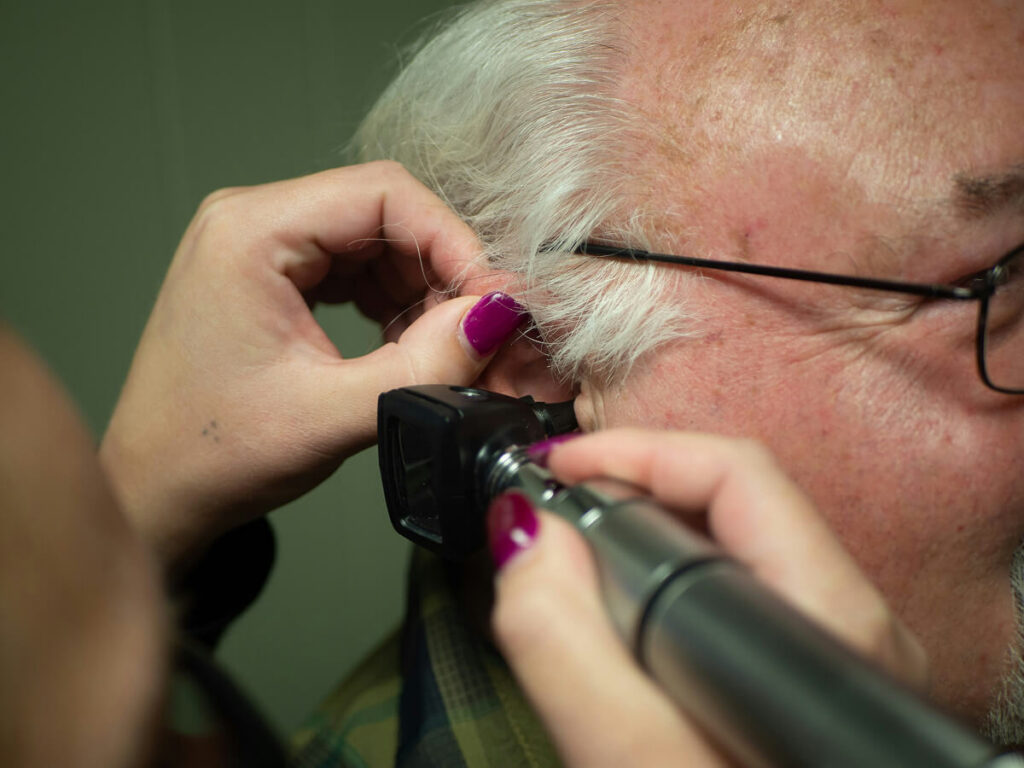
Get medical advice if your earache is severe, lasts more than two to three days, or comes with any of these. In particular, swelling, redness or tenderness on the bone behind the ear needs same-day attention, as it can be a sign of a deeper infection.
- A high temperature or feeling generally unwell
- Fluid, pus or blood coming from the ear
- Reduced hearing that doesn’t recover
- Swelling or pain behind the ear, or the ear pushed forward
- Pain after an injury to the ear
Common questions
Can earwax cause ear pain?
Yes – a firm plug of wax can press on the canal and ache. Softening drops or professional removal usually relieves it.
Why does my ear hurt when I swallow or chew?
That often points to referred pain from the jaw joint or throat rather than the ear itself. If it persists, get it checked.
How long should earache last?
Mild earache usually eases within a few days. Pain that’s severe or lasts longer than that should be assessed.
Do adults need antibiotics for ear pain?
Not usually – many causes settle on their own or need drops rather than antibiotics. A clinician can advise based on what they find.
Book with ClearEar
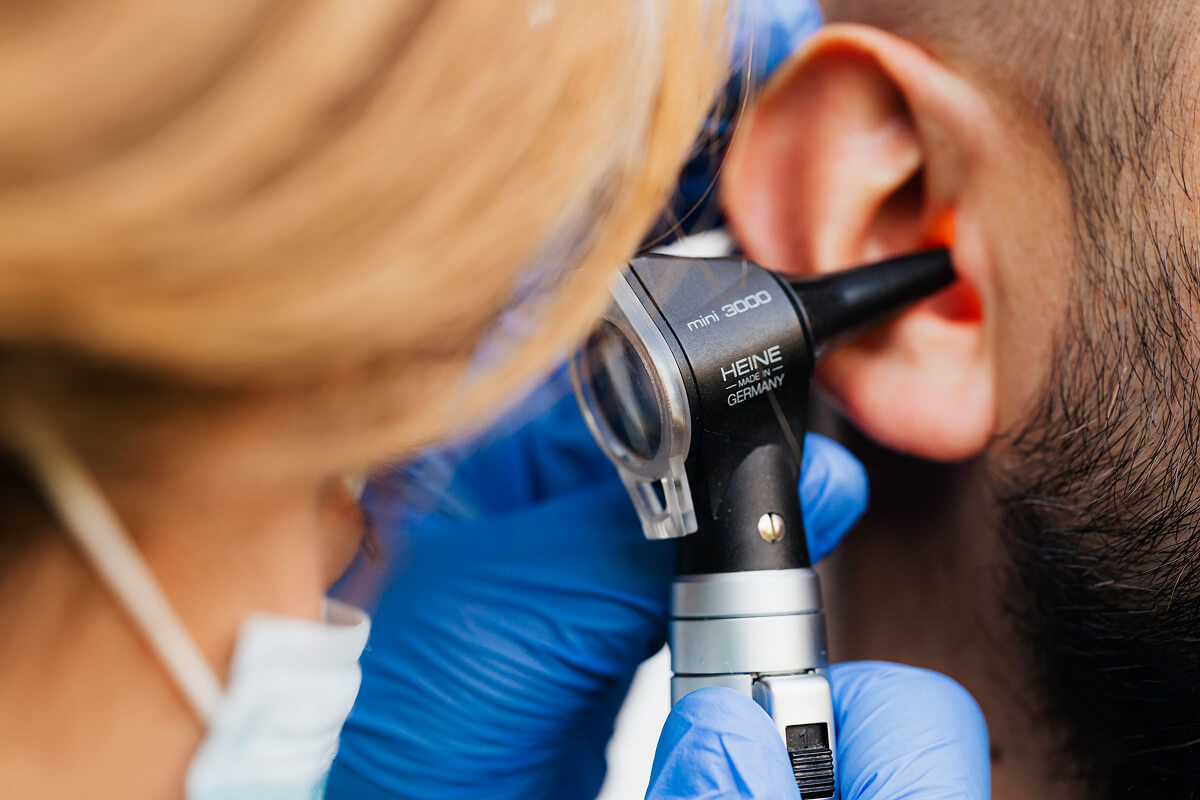
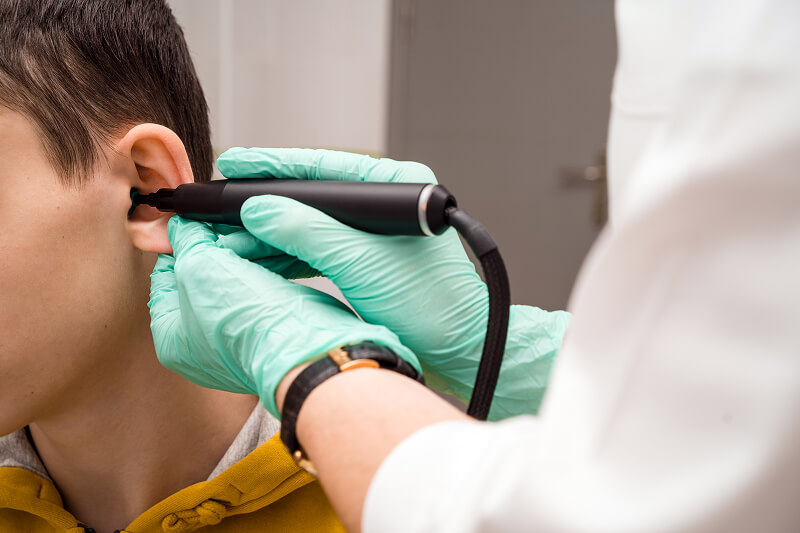
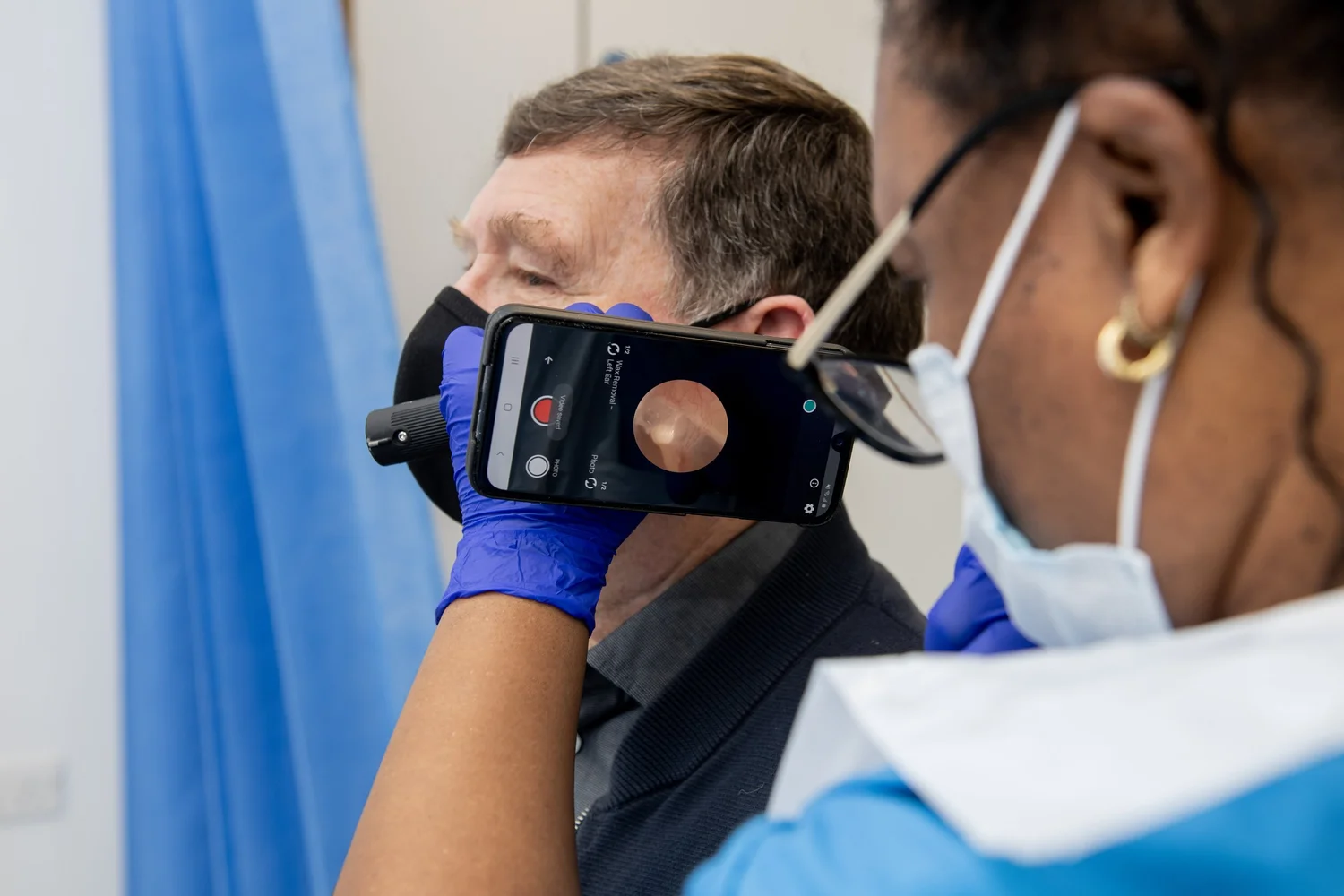
If your ears feel blocked, itchy or muffled, you don’t have to put up with it. At ClearEar our clinicians remove wax gently using microsuction – no water, no syringing, and you can usually hear the difference straight away.
Microsuction wax removal – Nasal endoscopy – Hearing assessments
Book online at clearear.ie or call 01 919 8706. Clinics at Dublin 1 and Lucan.
This article is general information, not medical advice. If you are worried about your symptoms, please see your GP or an ENT professional.