Quick answer
Tinnitus is hearing a sound – usually ringing, buzzing or hissing – that isn’t coming from outside your body. It’s very common and usually not a sign of anything dangerous. Frequent triggers include earwax, loud noise, stress and natural hearing changes with age. Clearing wax, protecting your hearing and managing stress often reduce it. Seek help urgently if it’s only in one ear or comes with sudden hearing loss or dizziness.
What tinnitus is

Tinnitus is the experience of hearing a noise that has no outside source. People describe it differently – ringing, buzzing, hissing, humming or whooshing – and it can come and go or stay in the background. It’s extremely common: at some point a large share of adults notice it, particularly in quiet moments like trying to fall asleep.
On its own, tinnitus is a symptom rather than a disease. Most of the time it’s the brain turning up the volume on internal sounds, often because something has changed in how you hear.
Common causes
There’s rarely a single cause, but the usual suspects are:
- Earwax pressing against the eardrum
- Exposure to loud noise – concerts, power tools, headphones
- Natural hearing change as we get older
- Stress, tiredness and too much caffeine, which make it feel louder
- Some medications (worth reviewing with your doctor)
Can earwax really cause it?
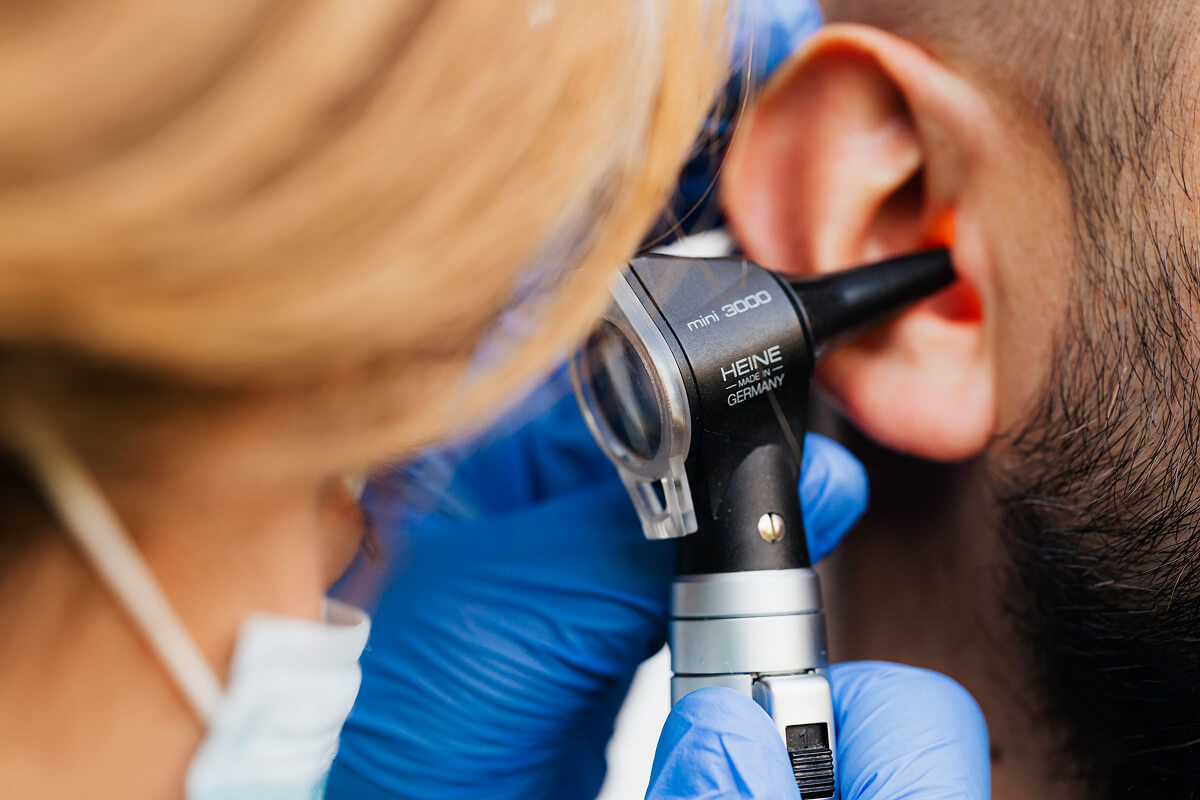
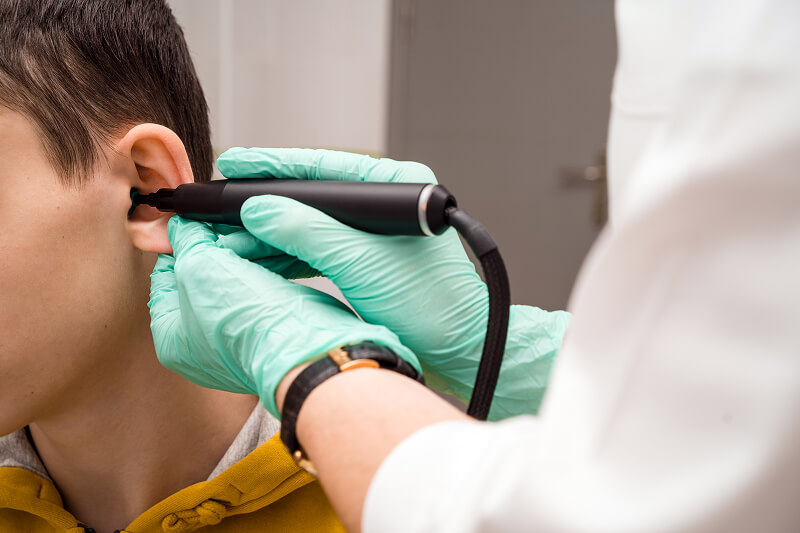
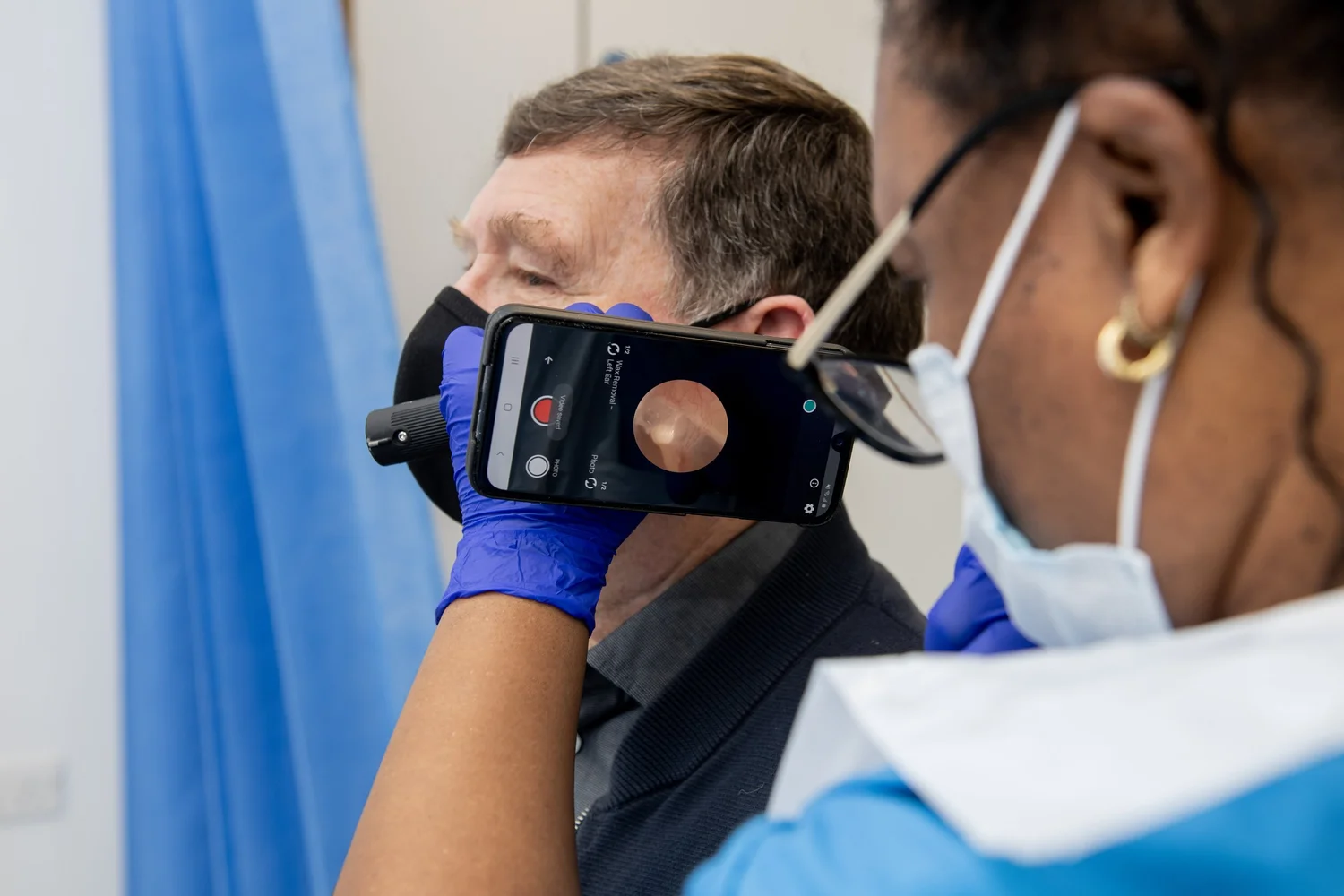
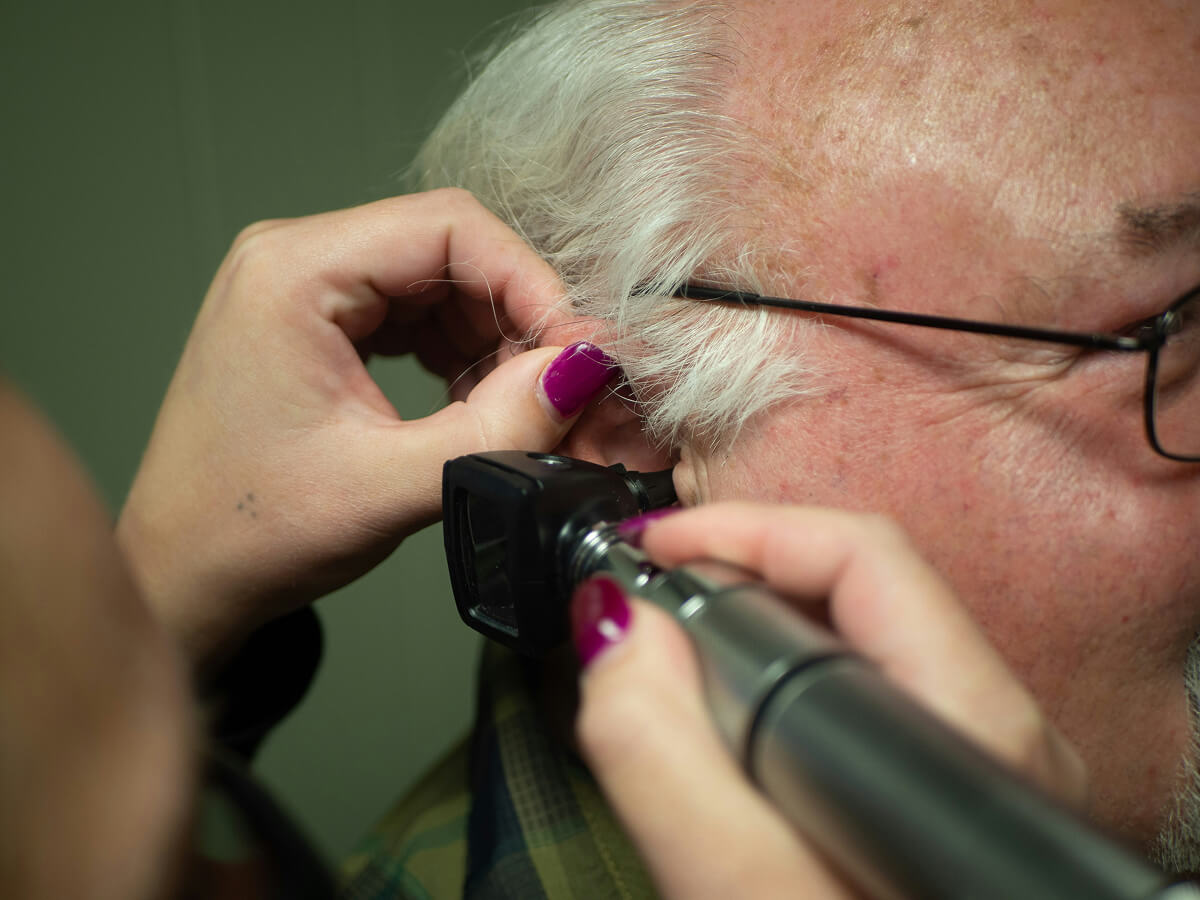
Yes – and this is one of the more fixable causes. When wax builds up and touches the eardrum, it can set off a ringing or buzzing. People are often surprised how much the noise settles once the wax is gently removed.
If your tinnitus appeared alongside a blocked, muffled feeling, having your ears checked and cleared is a sensible first step.
What genuinely helps

For most people the aim is to turn the volume down and stop it dominating your day. Sound enrichment works well: quiet background noise, a fan or a gentle playlist gives your brain something else to focus on, which is why tinnitus often feels worst in total silence.
Protecting your hearing from loud noise, cutting back on caffeine and alcohol, and getting on top of stress and sleep all make a real difference. If hearing loss is part of the picture, hearing aids can be remarkably effective because they bring back the outside sounds that were masking the tinnitus.
When to seek help quickly
Most tinnitus is harmless, but get assessed soon if you have:
- Tinnitus in only one ear
- A pulsing sound that beats in time with your heart
- Sudden hearing loss or dizziness alongside it
- Tinnitus that is severely affecting your sleep or mood
Common questions
Will my tinnitus ever go away?
Often it eases or fades, especially once a cause like earwax or stress is addressed. Even when it lingers, most people find it becomes much less noticeable over time.
Is tinnitus a sign of something serious?
Usually not. The exceptions worth checking are tinnitus in one ear only, a pulsing sound, or tinnitus with sudden hearing loss.
Can stress make tinnitus worse?
Definitely. Stress and poor sleep turn the volume up. Relaxation and good sleep habits genuinely help.
Do hearing aids help tinnitus?
For people with some hearing loss, yes – they restore everyday sound that naturally masks the ringing.
Book with ClearEar
If your ears feel blocked, itchy or muffled, you don’t have to put up with it. At ClearEar our clinicians remove wax gently using microsuction – no water, no syringing, and you can usually hear the difference straight away.
Microsuction wax removal – Nasal endoscopy – Hearing assessments
Book online at clearear.ie or call 01 919 8706. Clinics at Dublin 1 and Lucan.
This article is general information, not medical advice. If you are worried about your symptoms, please see your GP or an ENT professional.