Quick answer
The safest way to clear a build-up of earwax is to soften it with a few drops of olive or almond oil for several days, and if it doesn’t clear on its own, have it removed by a professional using microsuction. Avoid cotton buds, ear candles and home syringing kits – they tend to push wax deeper or damage the delicate ear canal.
Earwax is normal – and actually good for you

It’s easy to think of earwax as dirt, but it’s doing an important job. It traps dust, keeps the skin of your ear canal moisturised, and helps protect against infection. Your ears are also self-cleaning: tiny movements when you talk and chew slowly carry old wax to the opening, where it dries and falls away.
For most people this happens quietly in the background. Wax only becomes a problem when it builds up faster than it clears – and that’s when your ears start to feel blocked.
Signs your ears are blocked with wax
A build-up of wax usually creeps up gradually. The most common signs are:
- Occasionally mild dizziness, or earache if the wax presses on the canal
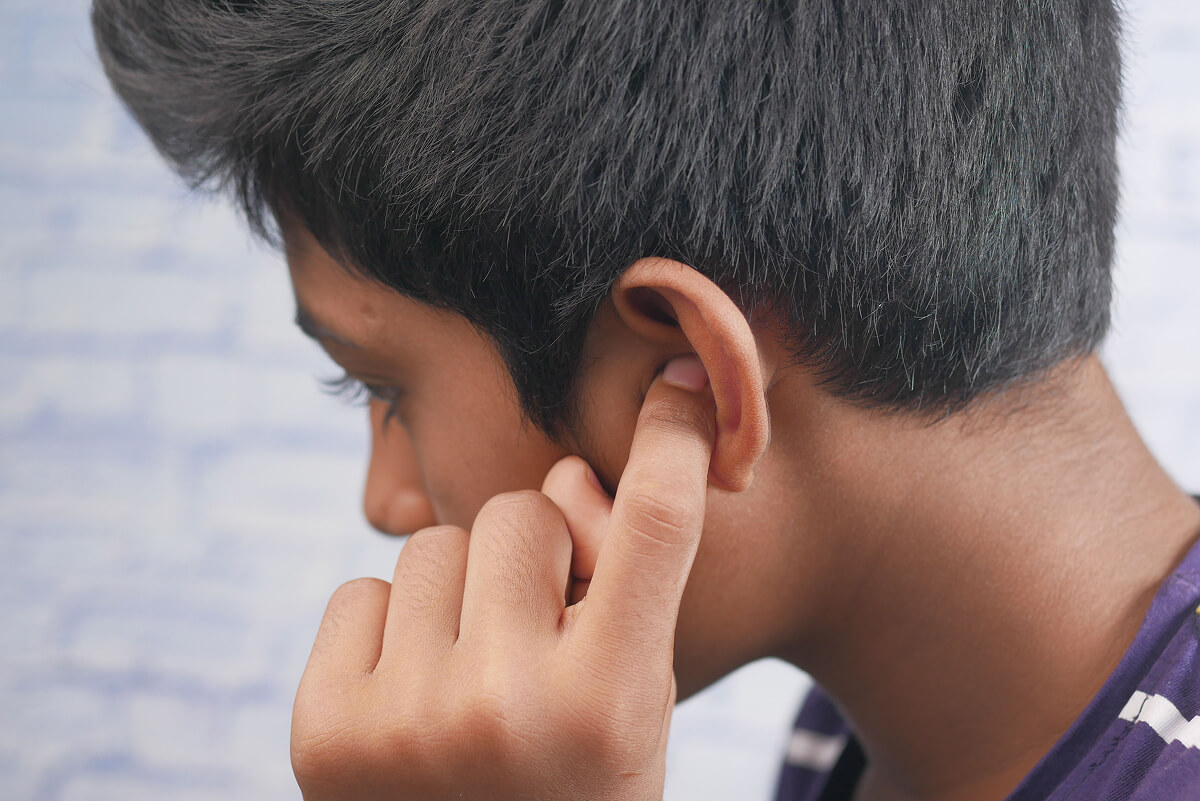
- Muffled or dull hearing, often in one ear
- A feeling of fullness or pressure, like your ear needs to pop
- Itchiness deep in the ear
- A faint ringing or buzzing (mild tinnitus)
Why cotton buds make things worse

There’s an old bit of advice that still holds true: never put anything smaller than your elbow in your ear. Cotton buds feel satisfying, but they usually push most of the wax further down and pack it against the eardrum. They can also scratch the thin skin of the canal, which is one of the most common ways people end up with an itchy, infected ear.
The same goes for hair clips, keys and twisted tissue – anything you poke in is more likely to cause a blockage than clear one.
Why home syringing and ear candles are risky
Bulb syringes and water kits you can buy online force water into the canal at pressures you can’t control. In a small number of cases this leads to infection, and rarely it can perforate (tear) the eardrum. If you’ve ever had ear surgery, a perforation, or repeated infections, home syringing is especially risky.
Ear candling – where a hollow candle is lit and placed in the ear – doesn’t draw wax out. Studies have found it provides no benefit and carries a real risk of burns and dripped wax. It’s best avoided entirely.
The safe way to clear earwax
Start gently at home. Put two to three drops of plain olive or almond oil (or a pharmacy ear drop) into the affected ear twice a day for up to a week. Lie on your side for a minute to let it soak in. Softer wax often works its own way out.
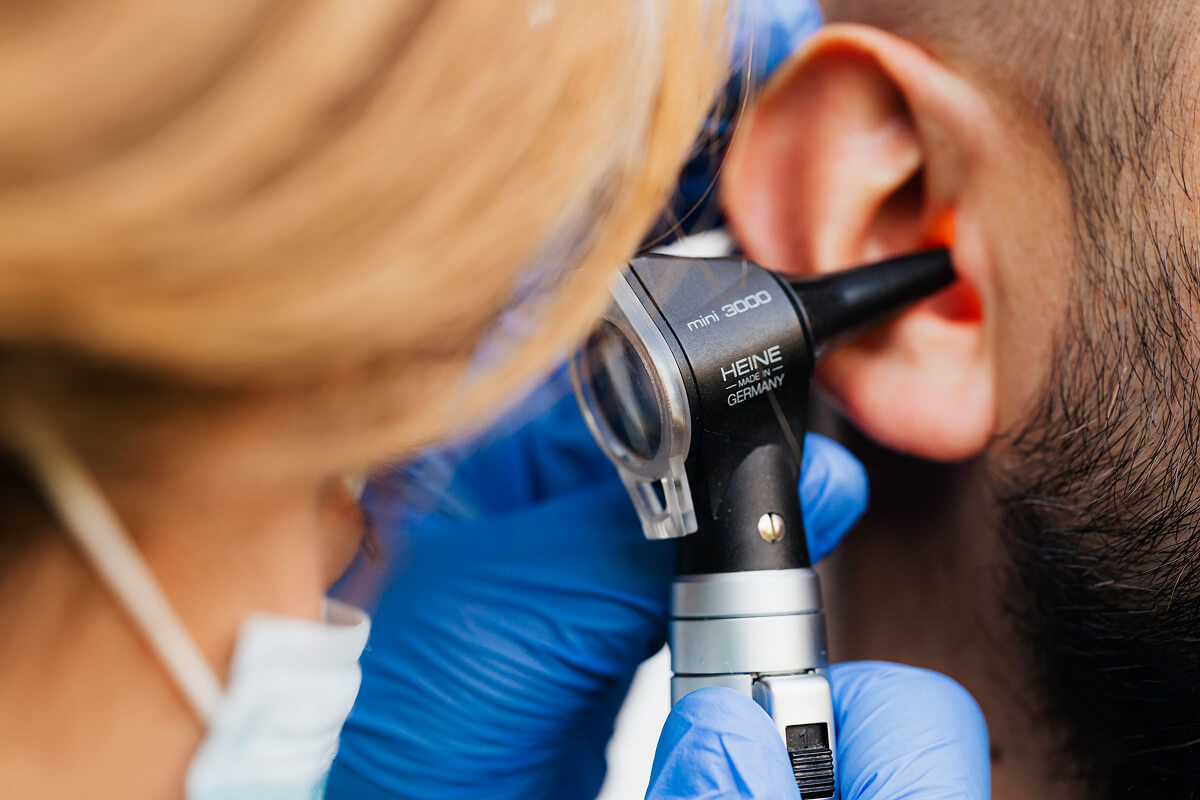
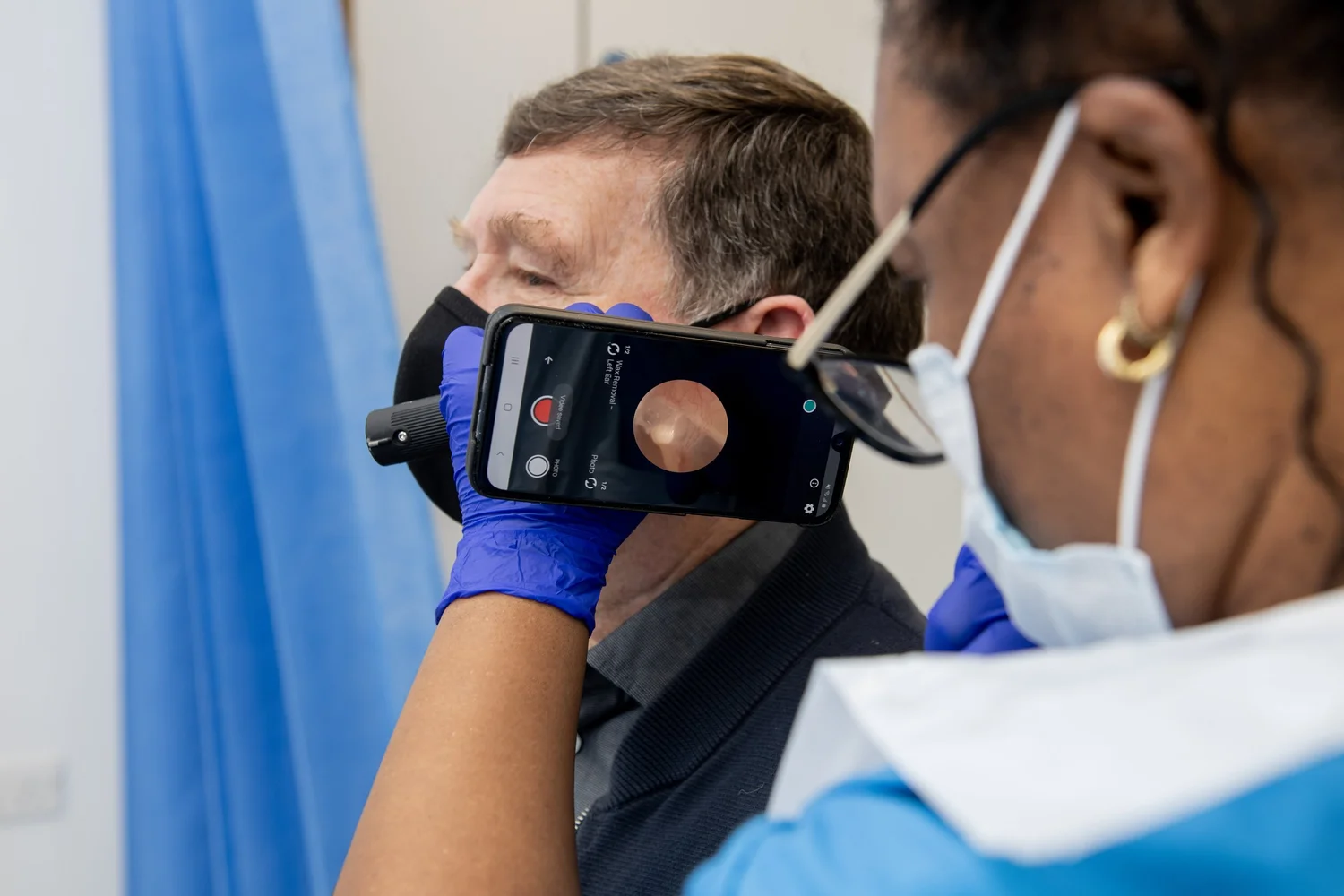
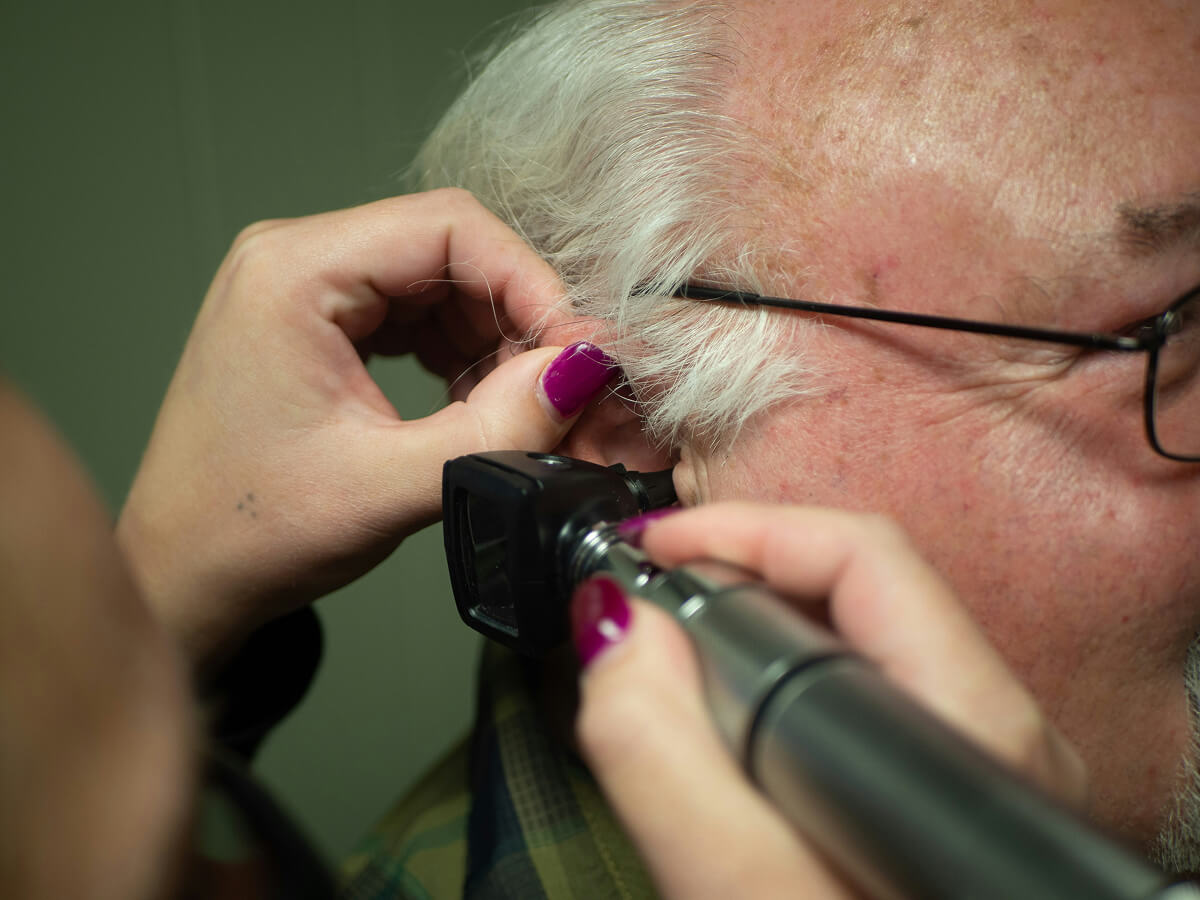
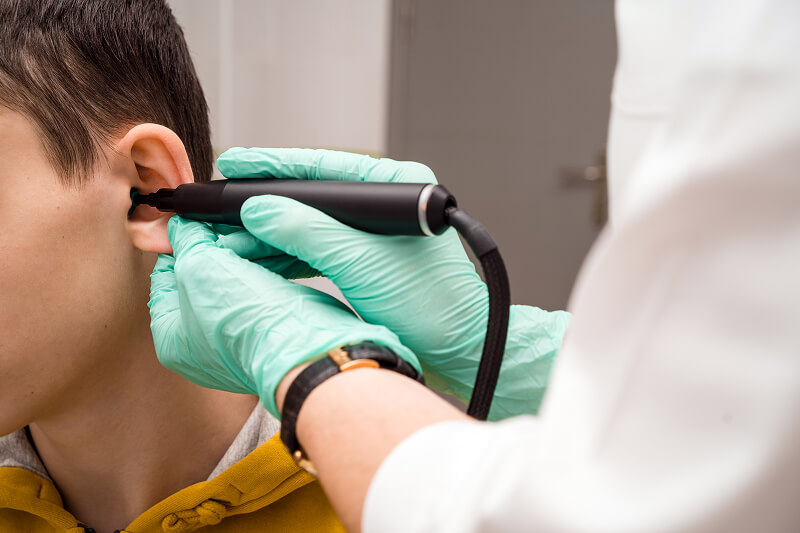
If your ear is still blocked after that, it’s time to have the wax removed properly. Microsuction is the method most ENT clinics now use: a clinician looks into your ear with a microscope and uses a fine, low-pressure suction device to lift the wax out. There’s no water involved, it’s quick, and most people notice their hearing improve immediately.
When to see someone sooner
Book an appointment rather than waiting if you have any of these alongside blocked ears:
- Ear pain or discharge (fluid or pus)
- A sudden drop in hearing, especially in one ear
- Ringing or dizziness that won’t settle
- A history of ear surgery or a perforated eardrum
Common questions
Can earwax cause hearing loss?
Yes. A full blockage can muffle sound noticeably, but it’s temporary – hearing usually returns as soon as the wax is removed.
Can earwax cause ringing in my ears?
It can. When wax presses against the eardrum it sometimes triggers mild tinnitus. Clearing the wax often eases or stops the ringing.
How often should I clean my ears?
For most people, not at all – ears clean themselves. Just wipe the outer ear with a flannel. If you’re prone to build-up, a few drops of oil now and then is plenty.
Are ear candles safe?
No. They don’t remove wax and can cause burns. We’d never recommend them.
Book with ClearEar
If your ears feel blocked, itchy or muffled, you don’t have to put up with it. At ClearEar our clinicians remove wax gently using microsuction – no water, no syringing, and you can usually hear the difference straight away.
Microsuction wax removal – Hearing assessments
Book online at clearear.ie or call 01 919 8706. Clinics at Dublin 1 and Lucan.
This article is general information, not medical advice. If you are worried about your symptoms, please see your GP or an ENT professional.