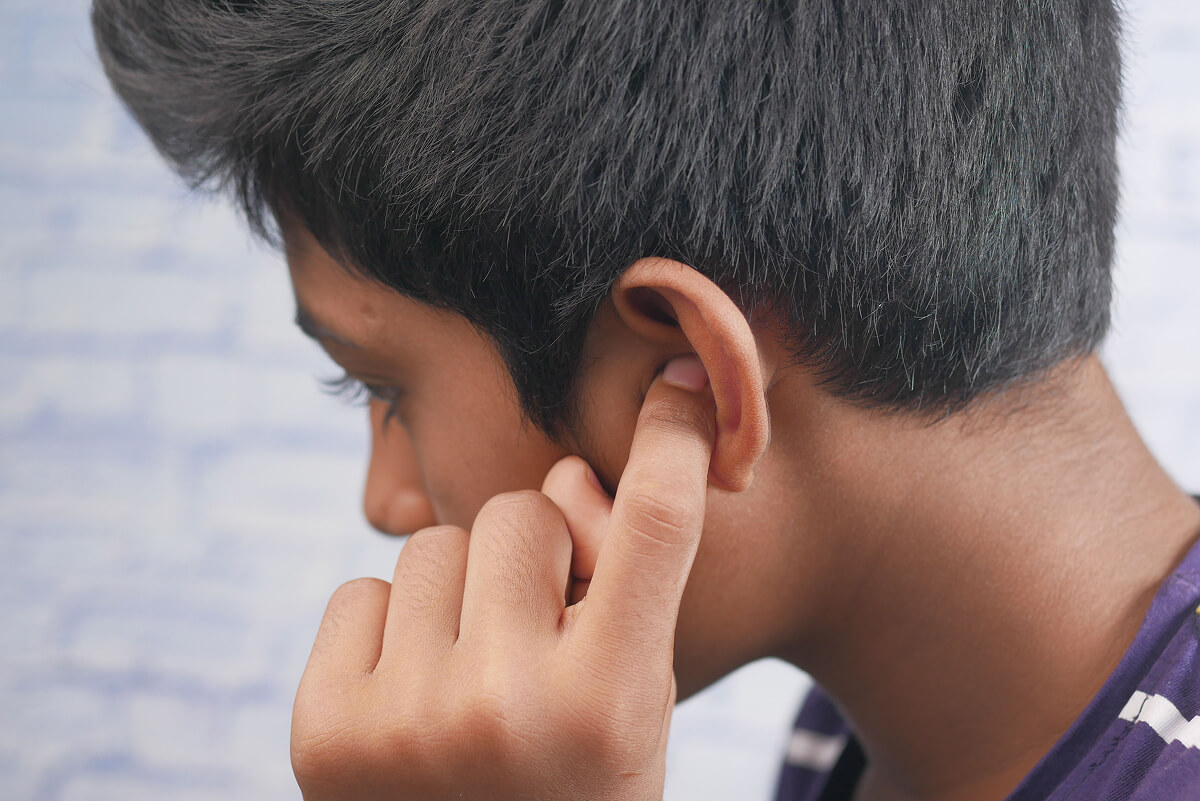

Here’s something that happens every single summer without fail. Someone books a holiday, spends weeks looking forward to it, finally gets to the beach — and then spends three days miserable because their ear is blocked, painful, or muffled. Sometimes it starts before they even leave the country. A build-up of earwax, a quick swim in the hotel pool, and suddenly the whole trip feels like listening to the world through a pillow.
We’ve seen it hundreds of times. And the frustrating part? Most of it is completely preventable.
So before you pack your suncream and your flip flops, let’s talk about your ears.
What Happens to Your Ears in Summer?
Summer is actually one of the toughest seasons for ear health — and most people don’t realise it until something goes wrong. Here’s why.
Water is the main culprit. Whether it’s the sea, a pool, a lake, or even a sweaty music festival, summer means more moisture around your ears than any other time of year. Trapped water in the ear canal changes the environment enough to allow bacteria to thrive — and that’s when swimmer’s ear sets in.
Earwax behaves differently in heat. In warmer temperatures, earwax can soften and shift in ways that feel strange — or it can dry out and become more compacted if you’re spending time in dry, air-conditioned environments like planes and hotel rooms. Either way, summer travel tends to tip the balance.
Pressure changes from flying. If you’re jumping on a flight this summer (and let’s be honest, most of us are), the rapid change in air pressure during takeoff and landing can affect the middle ear — causing that uncomfortable, blocked feeling that sometimes lingers for days.
None of these are emergencies on their own. But if you’re already starting the summer with a partial earwax blockage you haven’t addressed — and then you go swimming every day for a week — you’re stacking problems on top of each other.
What is Swimmer’s Ear?
Swimmer’s ear (otitis externa) is an infection of the outer ear canal caused by water becoming trapped in the ear, creating a moist environment where bacteria can grow. It’s different from a middle ear infection and typically causes pain, itchiness, and sometimes a discharge from the ear. It’s most common in swimmers and children, but anyone can get it after spending time in water.
Symptoms to watch for:
- Itching inside the ear canal
- Redness or swelling of the outer ear
- Pain when you tug on the earlobe or press on the small flap in front of the ear (the tragus)
- Mild hearing loss or a feeling of fullness
- In more severe cases, discharge from the ear
The good news is that swimmer’s ear is very much preventable — and treatable quickly if caught early.
5 Practical Ear Care Tips for Summer
These aren’t complicated. They’re the kind of small habits that make a real difference.
1. Clear any earwax build-up before the summer starts
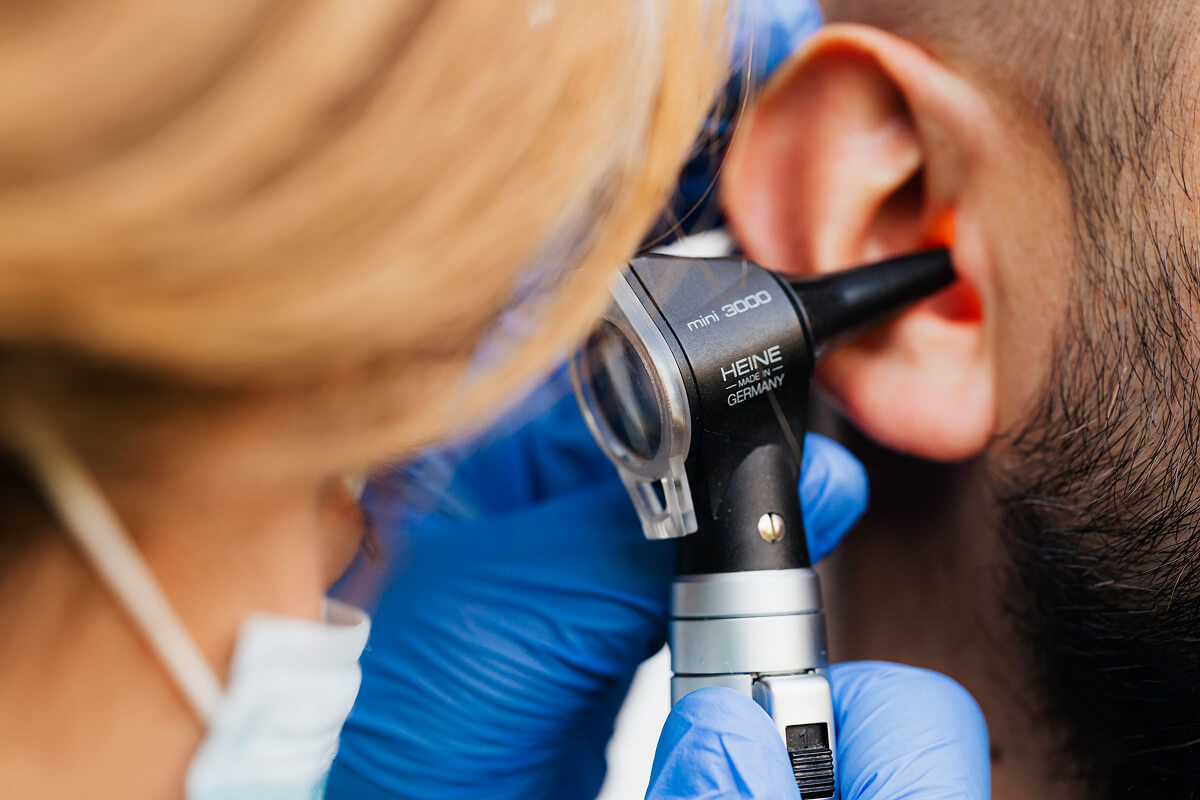
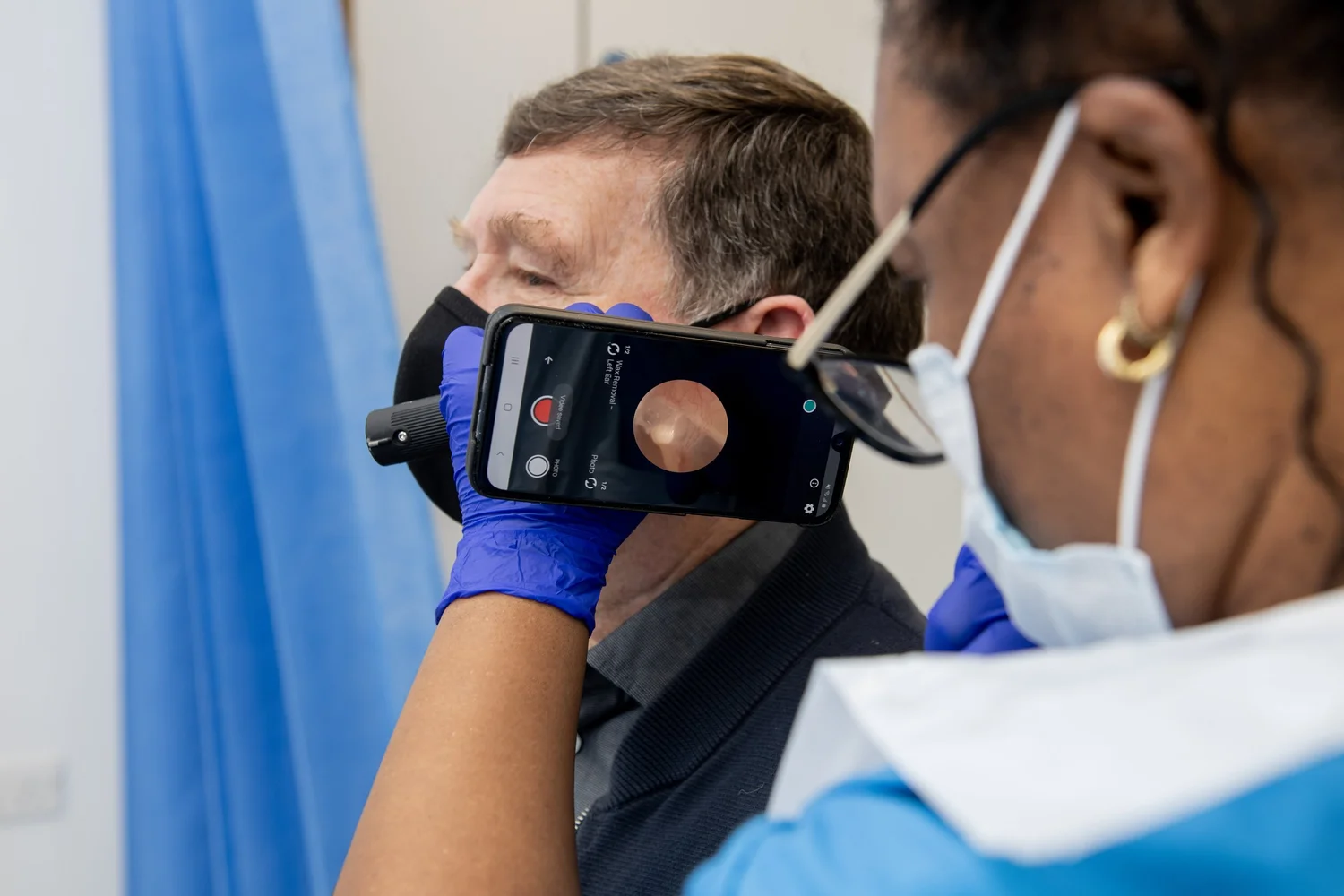
This is the one most people skip, and it’s the most important. If you have a partial blockage and water gets trapped behind it, you’re setting yourself up for a miserable few weeks. Getting your ears professionally cleared before your holiday — ideally with microsuction, which is gentle, fast, and effective — means you’re starting the season with a clean slate. No drama, no surprises.
If your ears feel full, muffled, or like someone turned the volume down slightly, that’s worth getting checked before you travel.
2. Dry your ears properly after every swim
This sounds obvious, but most people don’t actually do it properly. After swimming, tip your head to each side — ear toward your shoulder — and give it a gentle shake to let any water drain out. Then use a soft, clean towel to dry the outer ear. Don’t jam the towel into the canal. Just let gravity do most of the work.
A travel-size hairdryer set to the lowest heat, held at arm’s length, can also help dry the canal gently if you’re particularly prone to water getting stuck.
3. Consider swimmer’s earplugs if you’re a regular in the water
Not all earplugs are created equal. Standard foam earplugs don’t create a proper water seal. Proper swimmer’s earplugs — usually silicone or rubber, moulded to fit the outer ear — are a game changer for anyone who swims frequently. They’re widely available and don’t need to be expensive. If you’re taking kids swimming every week all summer, this is a worthwhile investment.
4. Don’t clean your ears with cotton buds — ever, but especially not in summer
We know. Everyone does it. But cotton buds don’t clean your ears — they push earwax further into the canal and compact it. In summer, when your ear canal is already more vulnerable to moisture and irritation, compacted wax is the last thing you want. Leave it alone. Your ears are self-cleaning. If they need help, get them seen professionally.
5. Deal with flying pressure before it becomes a problem
If you’re prone to that blocked, painful feeling during flights, a couple of things help. Chewing gum during takeoff and landing keeps the Eustachian tube active. The Valsalva manoeuvre (pinch your nose, close your mouth, gently try to breathe out through your nose) can help equalise pressure. Decongestant nasal spray, taken an hour before landing, can also help if you’re particularly sensitive.
If one ear stays blocked for more than a day or two after flying, it’s worth getting it looked at rather than hoping it clears on its own.
How to Get Water Out of Your Ear (Step-by-Step)
Sometimes, no matter what you do, water gets stuck. Here’s what to do:
- Tilt your head to the affected side, ear facing down
- Tug your earlobe gently and move your jaw side to side
- Hop on one foot (yes, really — it works)
- Use a soft towel to dry the outer ear
- Try a hairdryer on the lowest setting, held about 30cm away
- If it still hasn’t cleared after an hour or so, avoid sticking anything into the ear
If the ear remains blocked, painful, or starts to feel itchy or hot, that’s the point to get it checked. Swimmer’s ear that’s caught early clears up quickly. Leave it for a week and it becomes a much bigger deal.
Should You Get Your Ears Checked Before Summer?
If any of the following apply to you, yes — absolutely worth it.
- You’ve noticed any muffling or reduced hearing in one or both ears
- You feel fullness or pressure in your ears that comes and goes
- You’re planning to swim regularly over the summer
- You haven’t had your ears professionally checked in over a year
- You use hearing aids (earwax build-up can significantly affect performance)
- You have a history of ear infections or are prone to them
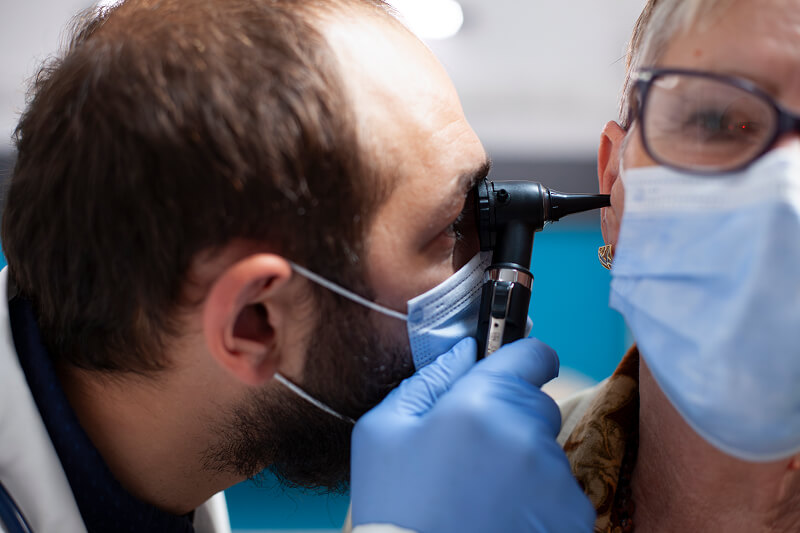
At ClearEar, we offer same-day appointments across our Dublin locations and can also visit you at home if that’s easier. Most appointments take less than 15 minutes, and the difference people feel afterwards — the clarity, the relief — is genuinely remarkable.
Don’t let earwax or a preventable infection be the thing that ruins your summer.
FAQ — Summer Ear Care
Can I swim with earwax build-up? It’s not recommended. Water can become trapped behind compacted earwax, leading to infection and increased hearing loss. Get it cleared first.
How long does swimmer’s ear last? Mild swimmer’s ear usually clears within 7–10 days with treatment. Without treatment, it can persist and worsen. See a professional if symptoms don’t improve within 2–3 days.
Is microsuction safe for children? Yes. Microsuction is considered the gold standard for earwax removal and is safe for children. It’s also much quicker and more comfortable than ear syringing.
Can flying make earwax worse? Yes. The pressure changes during flight can shift earwax and cause or worsen blockages, especially if wax is already present.
How often should I get my ears professionally cleaned? There’s no universal answer — it depends on how much wax your ears produce. Some people never need it, others benefit from a check every 12–18 months. If you notice symptoms, don’t wait.
ClearEar is a Dublin-based ear care clinic offering microsuction earwax removal, hearing assessments, ear infection management, sinus disease management and in-home ear care appointments. Same-day appointments available. Book online at clearear.ie