
There’s probably a cotton bud within arm’s reach of you right now. There’s almost certainly a bottle of olive oil in your kitchen. And if you’ve ever had blocked ears, chances are you’ve reached for one of them.
Most of us grew up thinking ears needed to be cleaned. That a cotton bud was the obvious tool. That a bit of olive oil was the sensible, natural approach. And for years, nobody told us any different.
So here’s the honest answer: some of what you’ve been doing is harmless, some of it makes things worse, and one method is genuinely head-and-shoulders above the rest. Let’s go through all three.
First — What Is Earwax, and Why Do We Have It?
Earwax (cerumen) is a natural substance produced by glands in the outer ear canal. It traps dust, debris, and bacteria, protecting the ear from infection. The ear canal is self-cleaning — earwax naturally migrates outward and falls away on its own. In most people, ears never need to be cleaned at all. Problems arise when earwax builds up faster than it can clear, or when it is pushed deeper into the canal.
About one in ten children and one in twenty adults experience earwax build-up significant enough to cause symptoms — muffled hearing, a feeling of fullness, earache, or tinnitus. When that happens, it’s worth addressing. The question is how.
Method 1: Cotton Buds
❌ Verdict: Don’t do it.
Cotton buds are one of the most common causes of impacted earwax. They don’t remove wax — they push it deeper into the canal, compact it against the eardrum, and create exactly the blockage you were trying to avoid. They also risk irritating or injuring the delicate skin lining the ear canal, and in worst-case scenarios, can perforate the eardrum.
We know. Everyone does it. It feels satisfying. But think about what a cotton bud is actually doing: it’s a stick with a soft tip, being pushed into a narrow canal that ends at a thin membrane. You are not cleaning your ear. You are pushing wax further in and hoping for the best.
The NHS, the HSE, and virtually every audiologist and ENT specialist on the planet say the same thing: do not put cotton buds in your ears. Not even gently. Not even just to dry them. The ear canal is not a surface that needs to be scrubbed.
If the satisfaction of a cotton bud is something you genuinely can’t give up, use them only on the outer ear — the visible bit. Nothing goes inside the canal. Full stop.
Method 2: Olive Oil Drops
🟡 Verdict: Useful — but only as a softener, not a solution.
Olive oil can soften earwax and make it easier to remove, either naturally or during a professional procedure. It is not a removal method on its own, and overusing it — particularly if wax is already impacted — can trap moisture in the canal and create its own problems. Use it as directed, and follow up with a professional if symptoms don’t clear.
Olive oil has a well-deserved reputation as a gentler, more natural option. And there’s something to it — warm olive oil can soften wax, which sometimes allows it to migrate outward and clear on its own over a few days.
The NHS audiology service actually recommends olive oil as a pre-treatment softener before microsuction — administered as drops or spray in the days before a professional appointment. In that context, it genuinely helps. Some studies suggest olive oil drops work as well as commercial ear drops for softening wax.
Where people go wrong is expecting olive oil to do a job it can’t do. If you have a solid, compacted plug of earwax, a few drops of oil are not going to shift it. You might soften the surface while the bulk of it stays firmly in place — and in the meantime, the warm, moist environment created by the oil can become a breeding ground for bacteria if there’s any irritation present.
How to use olive oil correctly:
- Use body-temperature olive oil — hold the bottle in your hand for a few minutes before use
- Lie on your side with the affected ear facing up
- Put 2–3 drops into the ear canal
- Stay still for 5–10 minutes, then sit up and let it drain
- Do this once or twice a day for up to a week
- If symptoms haven’t cleared after a week, see a professional — don’t keep going indefinitely
Method 3: Microsuction
✅ Verdict: The gold standard. Safe, fast, and genuinely effective.
Microsuction is the safest and most effective method of earwax removal. It uses a fine suction device under magnification to remove wax directly from the ear canal, without water, without pushing anything deeper, and with immediate results. It is safe for all ages, including children, and for people with perforated eardrums or a history of ear surgery.
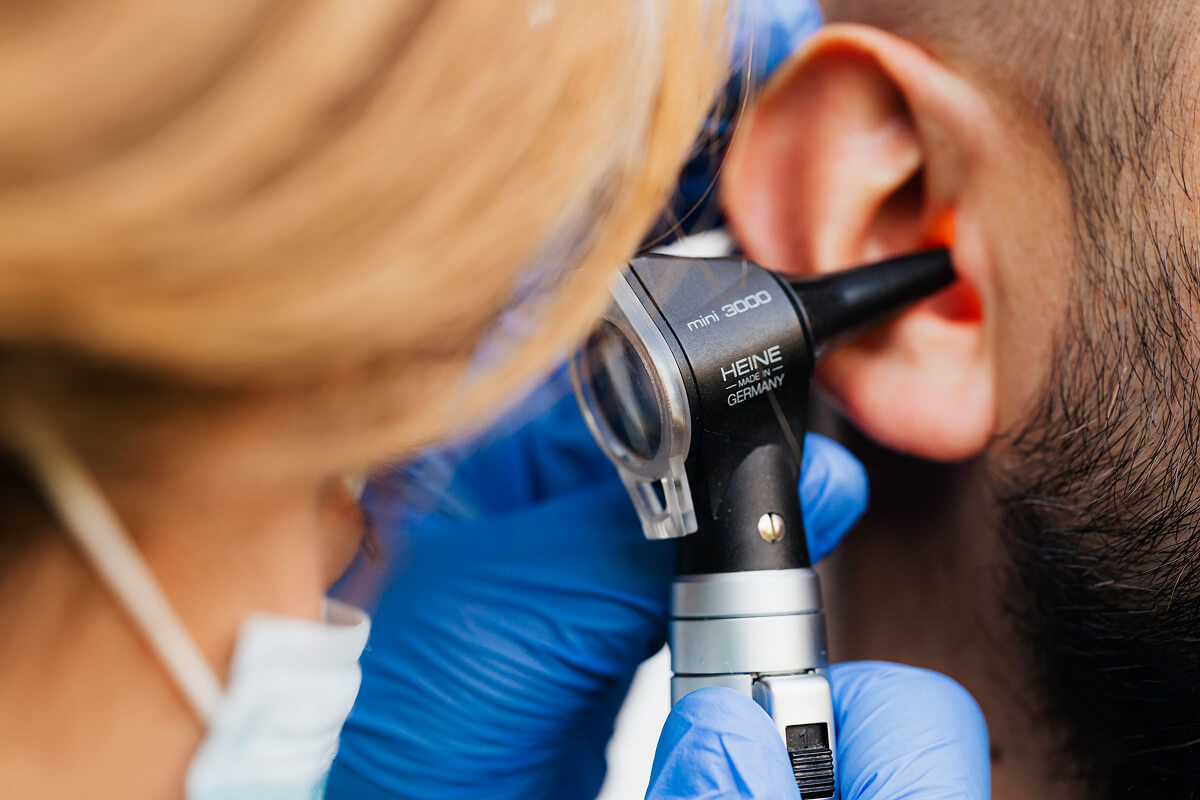
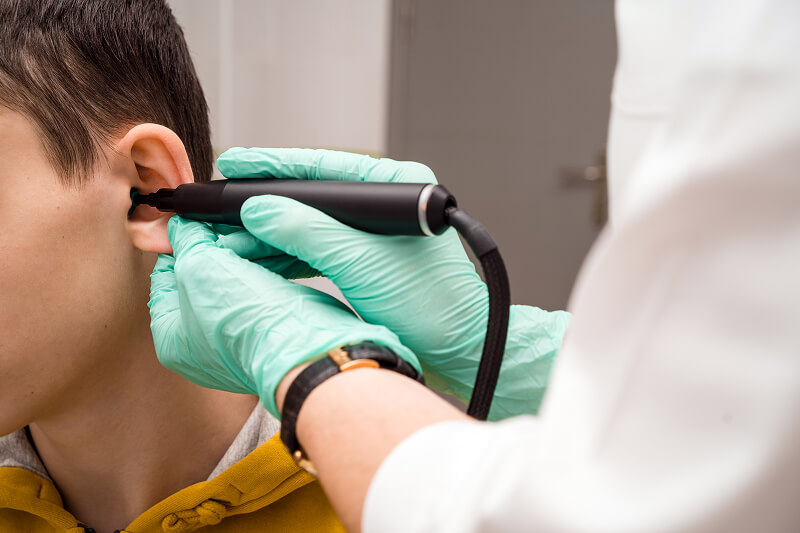
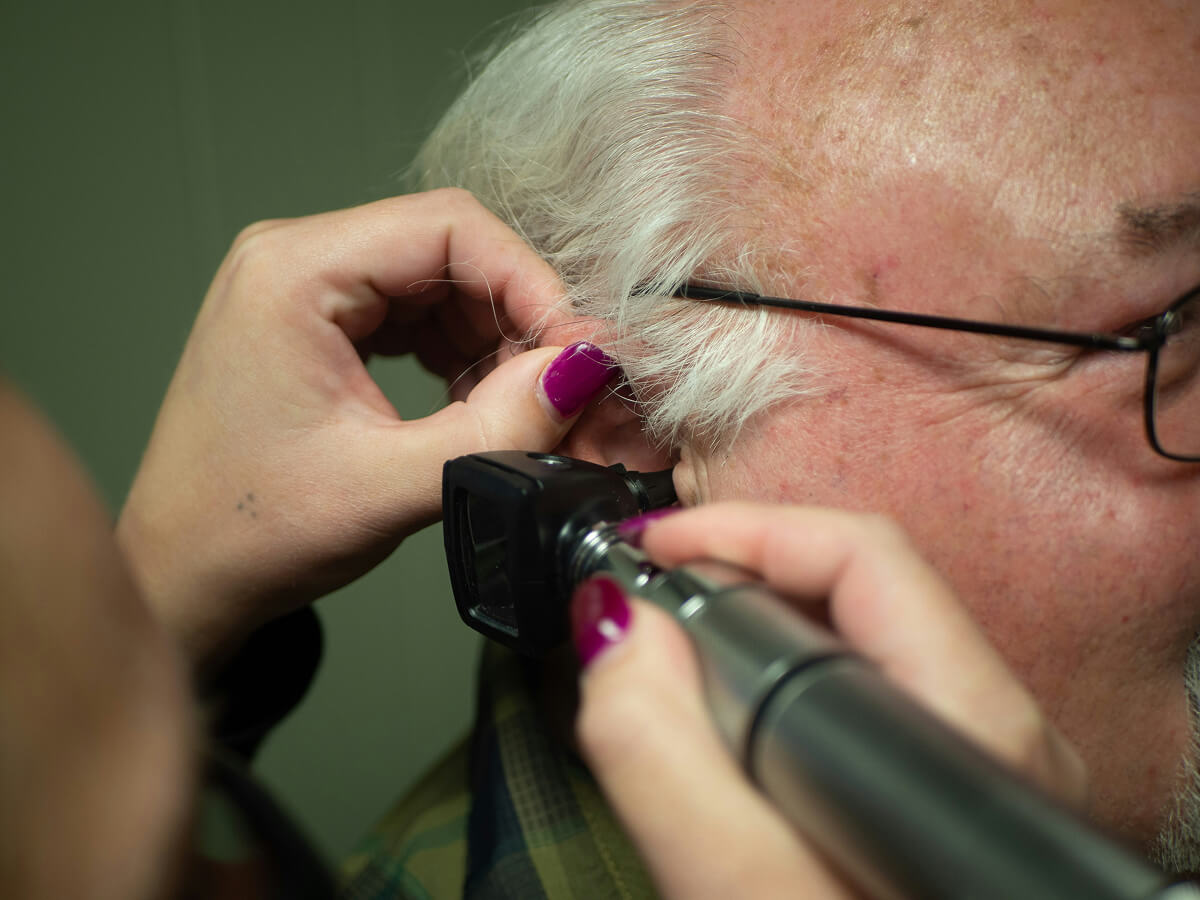
Microsuction is what happens when you stop trying to solve the problem at home and let an expert deal with it properly. The procedure takes 15 to 30 minutes. A trained practitioner looks into the ear canal using a microscope or loupe magnification, and uses a small suction device — similar to what a dentist uses, but much finer — to remove the wax precisely and safely.
Nothing is pushed in. No water is flushed through the canal. The practitioner can see exactly what they’re doing the entire time. Most people feel immediate relief the moment the blockage clears — that sudden return of full hearing is something patients often describe as remarkable.
It’s also the preferred method for people who can’t have ear syringing — those with a perforated eardrum, a history of ear infections, grommets, or previous ear surgery. Microsuction works for all of them.
What to expect at a ClearEar microsuction appointment:

Step 1: Arrive
No preparation needed, though softening with olive oil drops for a few days beforehand can help.
Step 2: Examination
Your practitioner examines the ear canal with magnification to assess the wax.
Step 3: Removal
The suction device clears the wax gently. Most patients feel nothing beyond mild sensation.
Step 4: Result
Clear ears. Improved hearing. Immediate feedback on what was found.
Step 5: Duration
Typically 10-15 minutes for both ears.
Side-by-Side Comparison
| Cotton Buds | Olive Oil | Microsuction | |
| Safe? | ❌ No | ✅ Yes (as directed) | ✅ Yes |
| Removes wax? | ❌ Makes it worse | 🟡 Softens only | ✅ Yes — completely |
| At home? | ❌ Avoid entirely | ✅ Yes | Professional clinic |
| Recommended? | ❌ Never | 🟡 As pre-treatment | ✅ Gold standard |
When Should You See a Professional?
If any of the following apply, skip the home remedies and book an appointment:
- Hearing loss or muffled hearing that hasn’t resolved after a week of olive oil drops
- Ear pain, pressure, or a feeling of fullness
- Tinnitus (ringing or buzzing) that is new or has recently worsened
- You’ve tried home treatment and it hasn’t worked
- You have a history of ear infections, perforated eardrum, or ear surgery
- You wear hearing aids and they’re not performing as well as usual
- Your child is showing signs of hearing difficulty or ear discomfort
At ClearEar, we offer same-day appointments across our Dublin locations, and we can also visit you at home. Most microsuction appointments take under 30 minutes. The difference people experience afterwards — the immediacy of restored hearing — is something that never gets old on our end either.
Book a Microsuction Appointment Today
Same-day appointments available. No GP referral needed.
clearear.ie
FAQ — Earwax Removal
Q: Is it safe to use cotton buds to clean your ears?
No. Cotton buds push earwax deeper into the ear canal and compact it, making blockages worse. They can also damage the ear canal lining or perforate the eardrum. Avoid them entirely.
Q: Does olive oil remove earwax?
Olive oil softens earwax, which can help it clear naturally over several days. It does not remove wax directly. If you have a significant blockage, olive oil alone is unlikely to resolve it — professional removal is needed.
Q: What is microsuction earwax removal?
Microsuction is a procedure where a trained practitioner uses a fine suction device under magnification to remove earwax from the ear canal. It is the safest and most effective method of earwax removal, with no water used and no risk of pushing wax deeper.
Q: How long does microsuction take?
A typical microsuction appointment takes 15 to 30 minutes for both ears.
Q: Does microsuction hurt?
Most patients experience little to no discomfort. Some describe a mild sensation from the suction. The procedure is significantly more comfortable than ear syringing.
Q: Do I need a GP referral for earwax removal at ClearEar?
No. You can book directly online at clearear.ie without any referral.
ClearEar is a Dublin-based ear care clinic offering microsuction earwax removal, ENT specialist consultations, hearing assessments, and in-home ear care. Same-day appointments available at our Lucan and City Centre locations. clearear.ie