
Quick answer
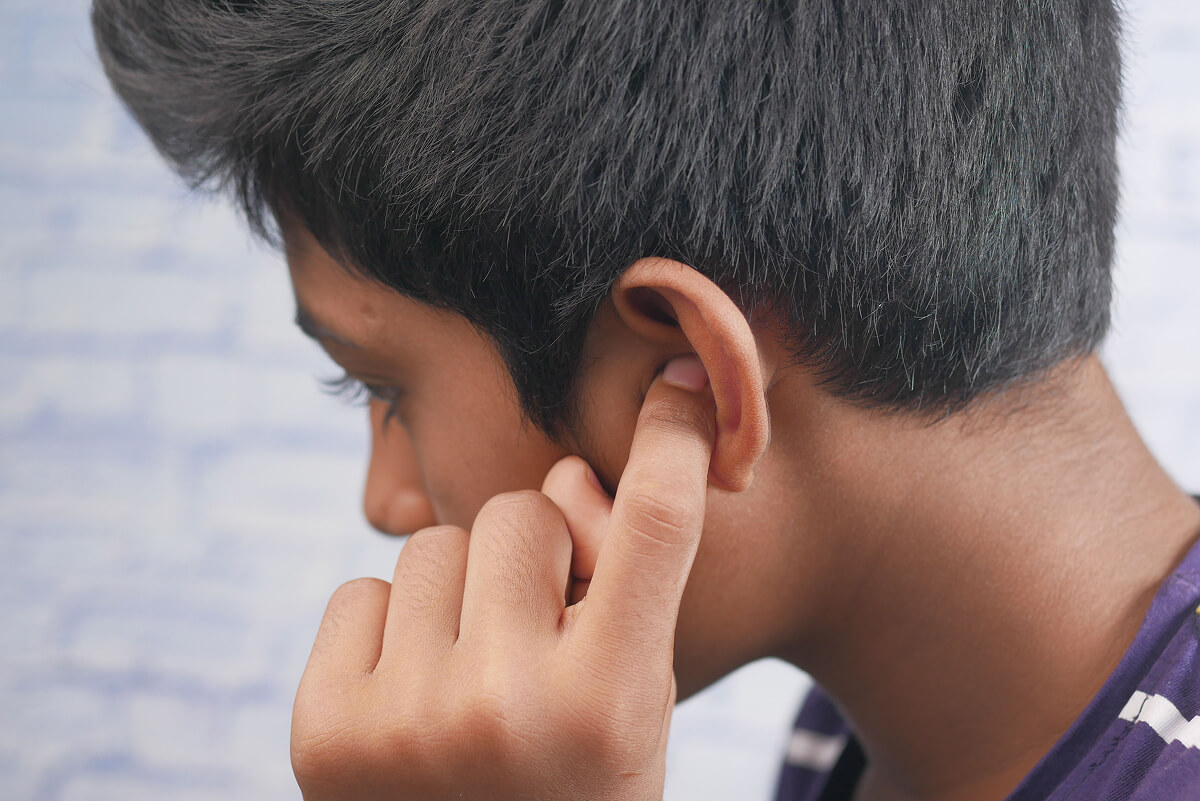
Blocked ears after a flight (often called aeroplane ear) happen when the pressure inside your middle ear can’t keep up with the changing cabin pressure. Most cases clear within a few hours to a couple of days. Yawning, swallowing, chewing gum and gently popping your ears usually helps. See someone if it lasts more than a few days, or you have pain, discharge or muffled hearing.
What is aeroplane ear?
Behind your eardrum is a small air-filled space called the middle ear. To feel comfortable, the pressure in that space needs to match the pressure of the air around you. A thin channel called the Eustachian tube connects the middle ear to the back of your nose and does the balancing.
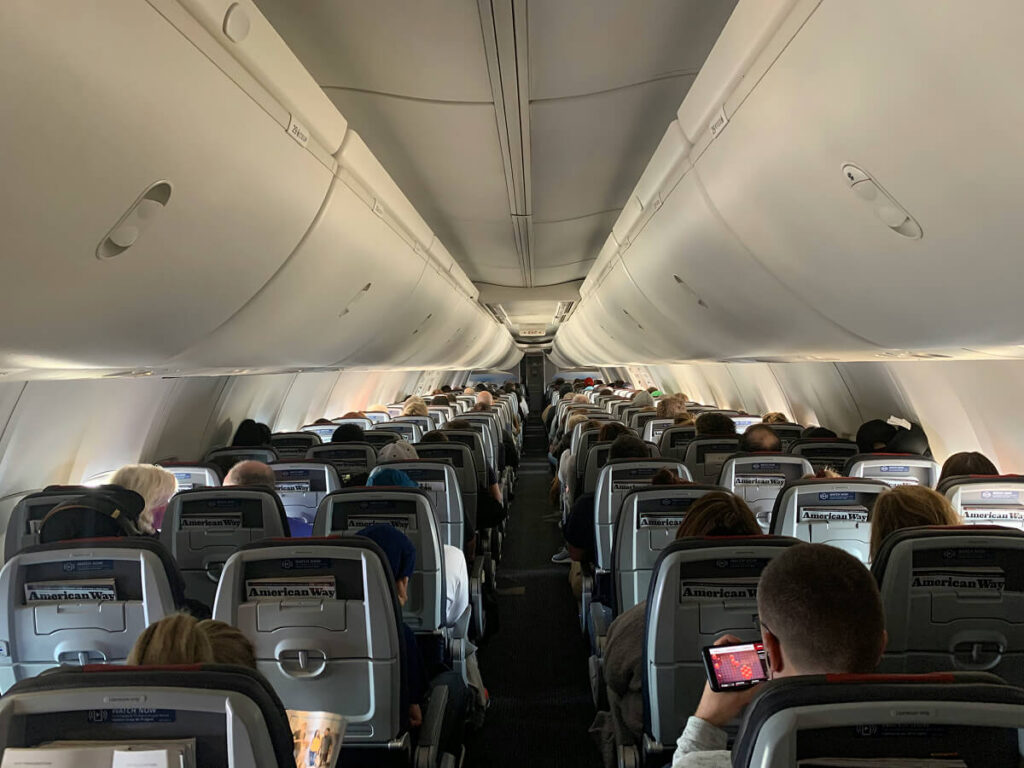
When a plane climbs or descends, the cabin pressure changes quickly. If your Eustachian tube can’t keep pace – which is common during the descent – the pressure difference pulls on your eardrum, leaving your ear feeling blocked, full or sore.
Why it’s usually worse on the way down
On the way up, trapped air escapes fairly easily. On the way down it’s harder for air to get back in, so the eardrum gets pulled inward. That’s why the blocked, muffled feeling often hits during landing and can linger afterwards.
A cold, blocked nose or hay fever makes it more likely, because the Eustachian tube is already swollen and sluggish.
How to unblock your ears
Most blocked ears clear with a few simple tricks. Try these first:
- Swallow, yawn or chew gum – each one briefly opens the Eustachian tube
- Try the gentle ‘pop’: pinch your nose, close your mouth, and softly blow until you feel your ears equalise (don’t force it hard)
- Take a sip of water every so often during descent
- Stay awake for landing so you can keep equalising
- A simple painkiller like paracetamol can ease discomfort
How to prevent it next time

If you know your ears struggle, plan ahead. If you have a cold or allergies, a decongestant or antihistamine taken before the flight can help keep the tube open (check it’s suitable for you first). Pressure-regulating earplugs sold in pharmacies can also smooth out the change for some people.
For babies, feeding or offering a dummy during take-off and landing encourages swallowing, which is the equivalent of an adult chewing gum.
When blocked ears need checking
Aeroplane ear almost always settles on its own. Book an appointment if:
- Your hearing is noticeably reduced and not recovering
- Your ear stays blocked for more than a few days
- You have ongoing pain, ringing or dizziness
- There’s any fluid or bleeding from the ear
Common questions
How long do blocked ears last after flying?
Usually a few hours to a couple of days. If it hangs on beyond that, it’s worth getting your ears looked at.
Should I fly with a cold?
You can, but expect more discomfort. A decongestant before the flight and plenty of swallowing on descent will help.
Can flying damage my eardrum?
Very rarely a big pressure difference can cause a small tear, which is why persistent pain or fluid should always be checked.
Do pressure earplugs actually work?
Many people find they take the edge off by slowing how fast the pressure changes. They’re inexpensive and worth a try if you fly often.
Book with ClearEar
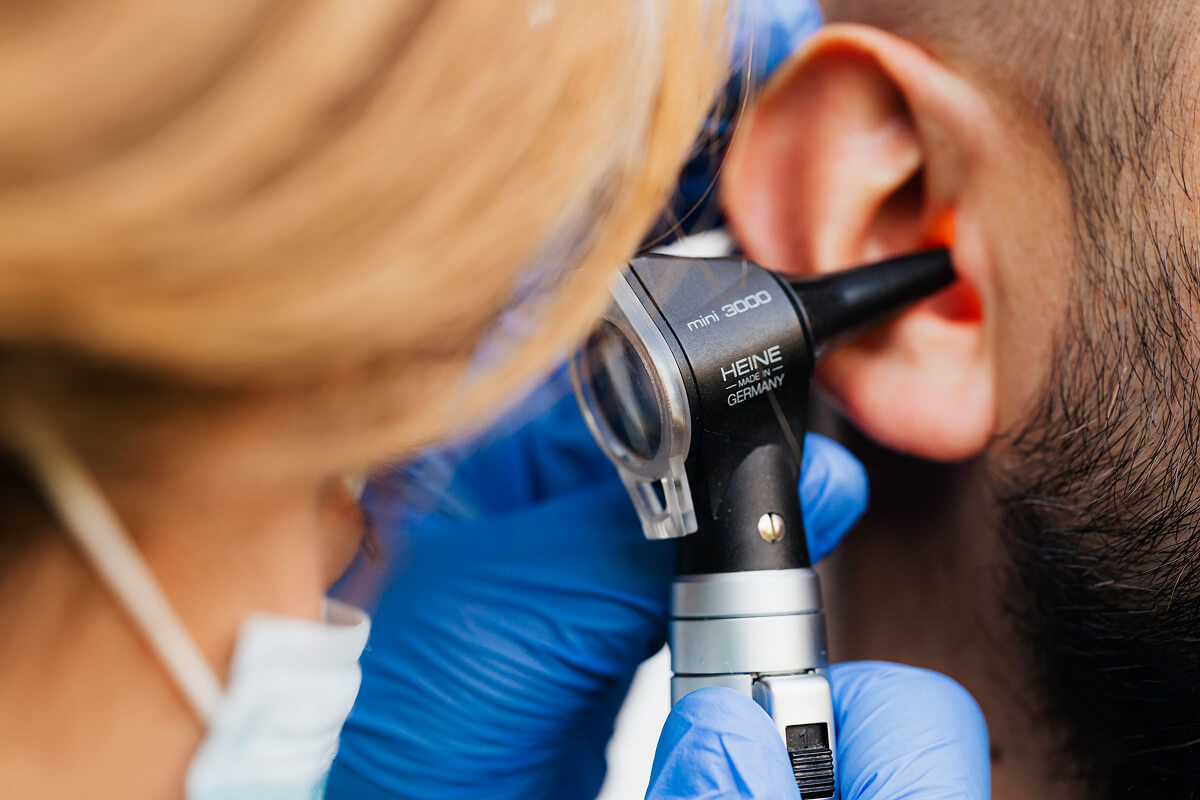
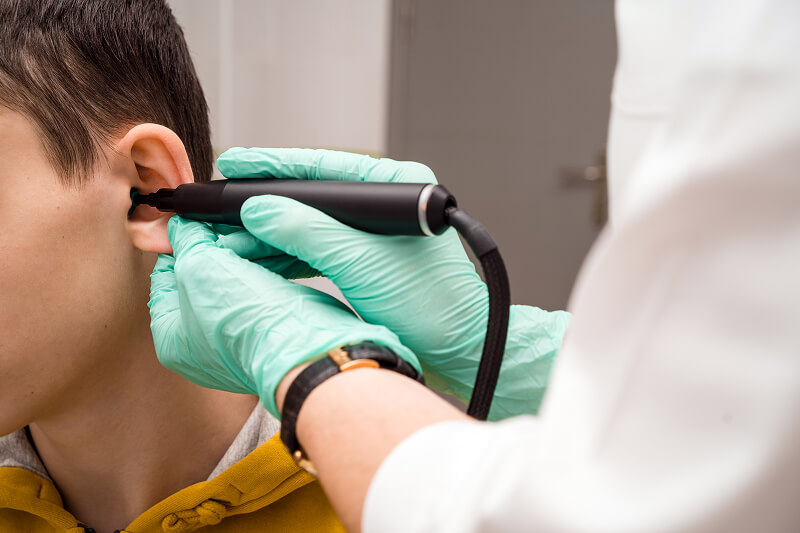
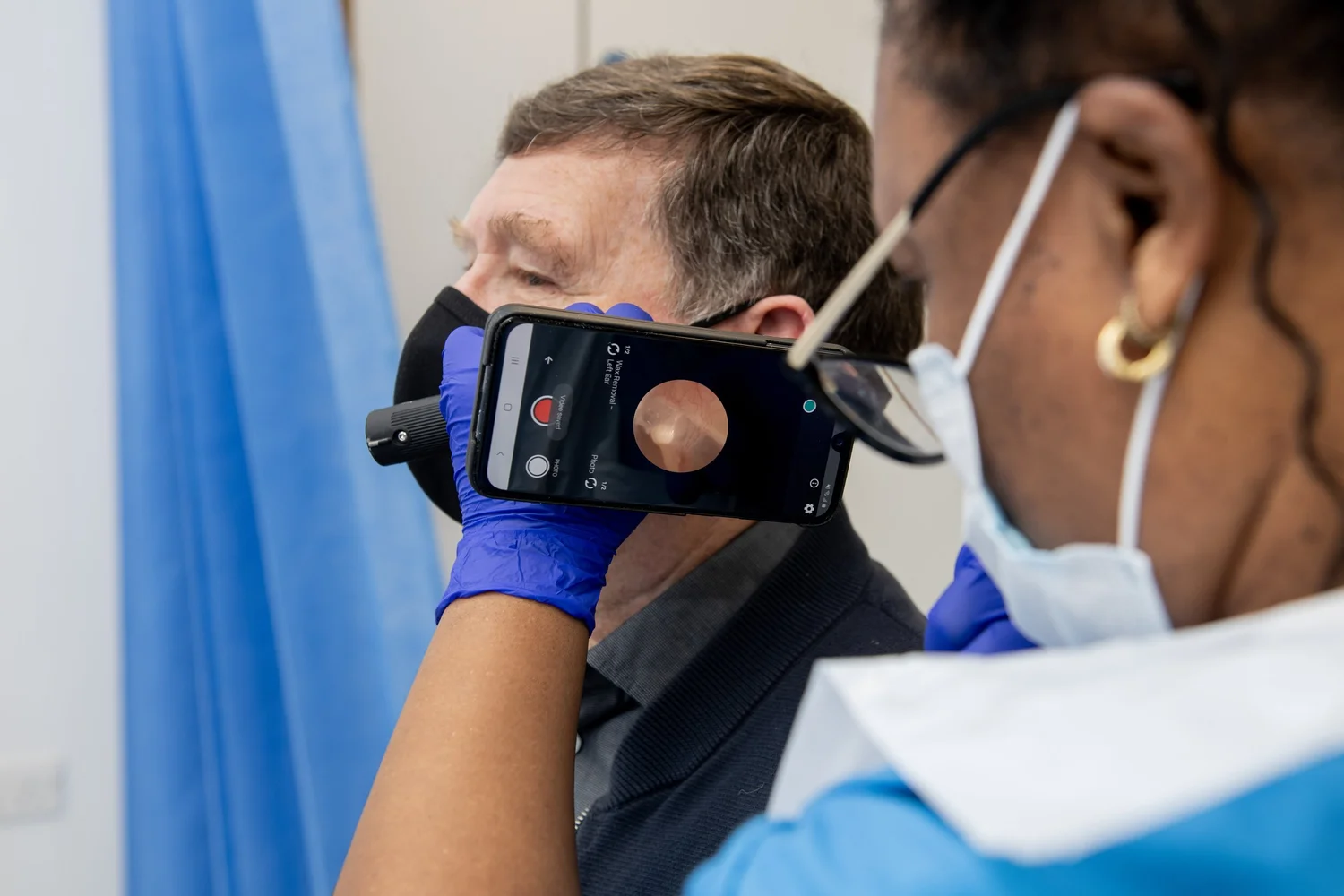
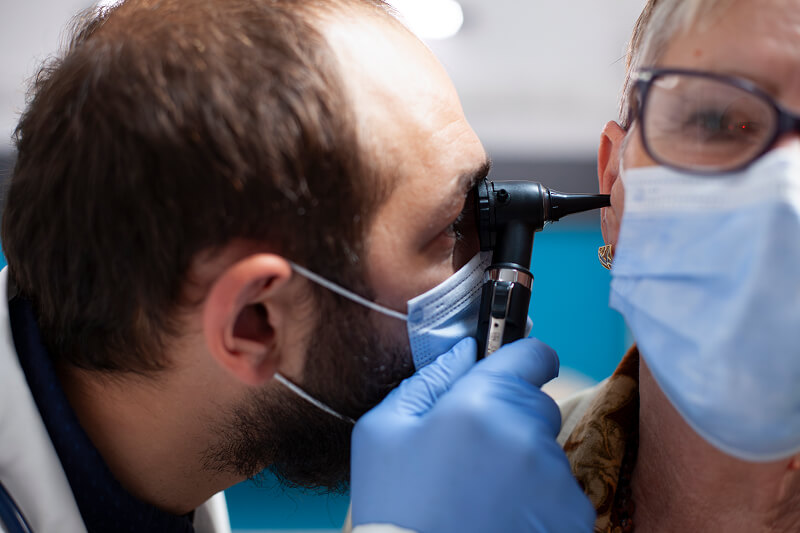
Not sure what’s going on with your ears? A ClearEar clinician can take a proper look, clear any wax with microsuction, and use a small camera (endoscopy) to check your ear or nasal passages.
Microsuction wax removal – Nasal endoscopy – Hearing assessments
Book online at clearear.ie or call 01 919 8706. Clinics at Dublin 1 and Lucan.
This article is general information, not medical advice. If you are worried about your symptoms, please see your GP or an ENT professional.